Showing posts with label psychotherapy. Show all posts

Wednesday, July 29, 2009

Psychosis


Psychosis is the subject of our dialogue on Thursday July 30th. Since attending the Making Sense of Psychosis conference in february I have been reading Richard Bentall's "Madness Explained Psychosis and Human Nature" .
You can follow this link to his page at Bangor university. In my talk I will briefly present some of his central ideas:

Richard P. Bentall
~the artificial boundary between madness and sanity, neurosis and psychosis that was inherited through the DSMIII from nineteenth century psychiatrists Kraeplin, Jasper et al.

~the cultural nature and occurrence in otherwise healthy citizens of some symptoms of psychosis such as hallucinations, hearing voices and Bentall's thesis that madness is part of a spectrum of human nature and human behaviour and there is no clear dividing line between mental health and mental illness.

~the view of serious mental illnesses such as schizophrenia and bi-polar disorder as biological in origin and the impact this has had in denying such patients access to therapeutic interventions.

~some research findings on therapeutic interventions including the importance of: empathy and respect, normalizing, working with "complaints" of patient rather than "symptoms", modality match between patient and therapist, efficacy of various therapeutic modalities, therapeutic alliance, educating and working with families.

~I'll provide a hand-out with Bentall's models of 'pathways to different kinds of madness', depression and paranoid thinking. I'll briefly mention the role of 'self' attribution in depression and 'other' attribution in paranoia; source monitoring and theory of mind.


~we may get time to hear about recent research by John Read of Auckland University on sexual and physical abuse and attachment difficulties and the development of psychosis. Read stresses the importance of asking every patient about trauma history and addressing the post traumatic stress aspects through listening education and empathy.

Monday, June 29, 2009

Psyche Matters


Short talks and professional development seminars for Taranaki counsellors, therapists, mental health workers, people who work in pastoral care and anyone interested in psychology, psychotherapy, psychoanalysis and psychosynthesis.

A winter series of lunch hour talks and conversation that introduce themes to further our understanding about what it means to be human. The contributions of some psychoanalytic and psycho-spiritual thinkers will be explained in everyday language to provide inspiration for your own thinking. After a centring exercise Lynne will present some thoughts on the theme and then invite participants to contribute their fresh thinking on ageless subjects.

This is an opportunity for low cost sampling of my style of presentation for those involved in the helping professions
and interested members of the public. Entry is by donation to SF Taranaki, Supporting Families in mental illness. Tea and Coffee are available. Bring lunch if you wish.

July 16: A map of the soul: unconscious and conscious
July 30: Psychosis: latest findings, a role for psychotherapy?
August 6: Anxiety and feeling: taking charge of your experience
August 13: Can Love last? Romantic and maturing love
August 20: Narcissism: Cinderella in 2009-06-30
August 27: Dreams and working with your dreams
Sept 3: Depression and creativity
Sept 10: Guilt and forgiveness


Dialogues take place on Thursdays 12.30 -1.30 at Lynne’s rooms, third floor, BNZ building.
Places are limited to 20. Either phone 06 7696050 or email lynneholdem@mac.com to confirm your place.

Sunday, June 28, 2009

Psychosynthesis


An elegant transpersonal psychology which attempts to address the levels of human existence; the unconscious, conscious and superconscious. Psychosynthesis therapists are interested as much in what is emerging as potential in a client's life as they are in understanding his or her past and what has shaped them. Relationship in the here and now between the therapist and the client is observed with heart and used as a vehicle for opening more self awareness, alignment with values and choice for the client.

Psychsosynthesis was first formulated by Roberto Assagioli, a contemporary of Jung's who became very interested in Will as the integrating and directing function of the psyche.

Assagioli was born in Venice in 1888. He studied psychiatry and
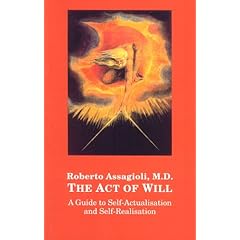
was interested in the intersection of spirituality and psychology. One of the few psychiatrists to participate in the first pioneering wave of enthusiasm for Freud's new science of psychoanalysis and the second wave of humanistic psychology in the 1960s and 70s. he published two books one of which is till used in many Psychosynthesis training today and is called The Act of Will. In it Assagioli charts aspects, dimensions and levels of will.